EN
EN  SW
SW 

In the heart of East Africa, Tanzania is witnessing a quiet revolution. Solar water heating is not just a technological advancement here; it’s a powerful tool for transforming lives. This simple, yet impactful technology is improving access to clean water, saving money, and providing new opportunities for communities across the nation. Join us as we explore how solar water heating is making waves in Tanzanian communities.
Understanding Solar Water Heating Technology
Solar water heating systems use sunlight to warm water, which is then stored for use in households and businesses. This technology is both eco-friendly and cost-effective, providing a reliable source of hot water without relying on electricity or fossil fuels.
At the core of these systems are solar collectors that trap sunlight, transferring the generated heat to water stored in tanks. The simplicity of this design makes solar water heaters particularly appealing in regions like Tanzania, where sunny days are plentiful. Over time, the investment in a solar water heater pays off, as the reliance on conventional energy sources decreases, bringing about considerable savings in energy bills.

The benefits of solar water heating extend beyond just environmental and financial aspects. For individuals and communities dwelling in regions with irregular electricity supply, these systems provide a stable and dependable alternative. They are crucial not only for enhanced household convenience but also as a potential driving force for economic development.
The Impact on Tanzanian Communities
In many parts of Tanzania, access to hot water was once a luxury. Now, with solar water heating, families are seeing improvements in daily life. Tasks like cooking and cleaning become easier, and the risk of waterborne illnesses decreases.
With solar water heating, communities that previously struggled with the unreliable and costly supply of hot water are experiencing increased levels of hygiene and comfort. These improvements are particularly significant in rural areas, where traditional energy sources might be expensive or difficult to access. By providing consistent hot water, solar technologies are contributing markedly to public health advancements across Tanzania.
Moreover, the introduction of solar-powered solutions in Tanzanian schools and health facilities underscores their transformative power. Teachers and healthcare providers no longer need to spend valuable time and resources securing hot water, allowing them to focus more on their primary roles. This shift has had a profound impact on the quality of education and health services available in these communities, driving overall development.
Economic Benefits and Cost Savings
For communities, solar water heating offers significant economic benefits. By reducing the need for electricity or firewood, families save money. These savings can be invested in other essentials, contributing to improved standards of living.
Beyond household savings, solar water heating systems present opportunities for larger-scale economic growth. By minimizing expenditure on conventional energy sources, resources can be redirected towards community development projects. This redirection of funds is pivotal in catalyzing further advancement in essential areas such as education and healthcare.
The cost-effectiveness of solar solutions is particularly evident when considering long-term benefits. Initial installation costs may seem substantial; however, the reduction in monthly utility bills quickly offsets these upfront expenses. Furthermore, solar water heating systems increase property values, making them attractive investments for homeowners and businesses alike.
Creating Opportunities and Empowering Local People
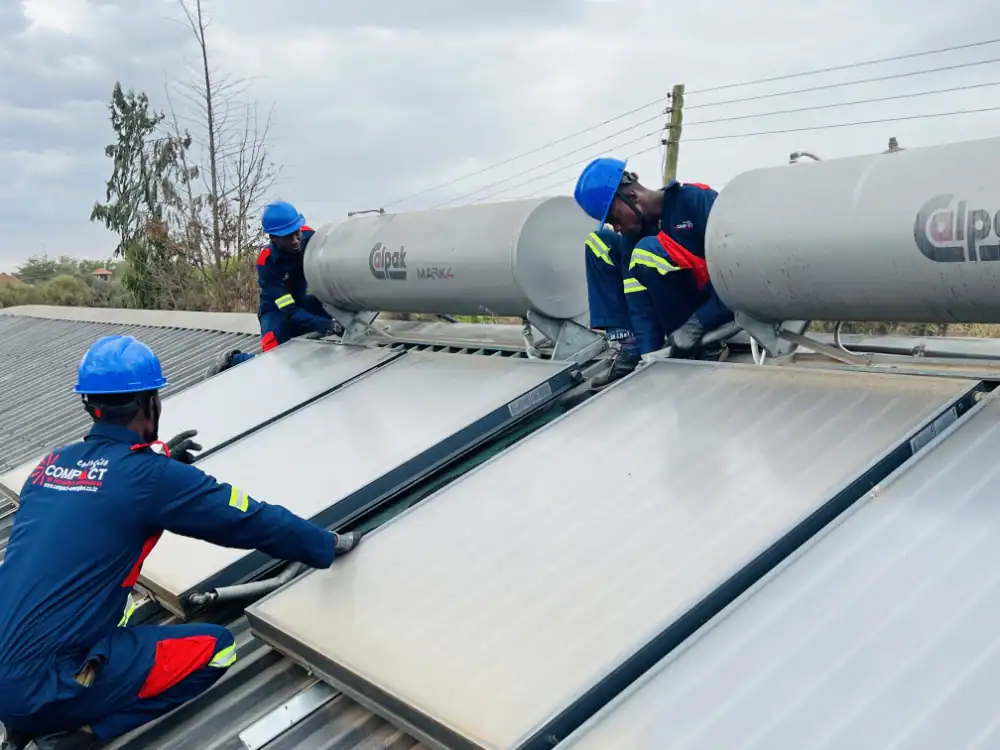
The growth of solar water heating also empowers local entrepreneurs. Installations and maintenance create new job opportunities, fostering a skilled workforce and providing sustainable employment options.
Training programs aimed at developing local expertise in solar technology are becoming increasingly common in Tanzania. These initiatives equip individuals with the skills needed to install and maintain solar water heating systems, thereby creating a robust support network that ensures technology longevity. By fostering such local talents, communities not only benefit from immediate economic gains but also from the potential for sustained innovation and growth.
Moreover, as more installations occur, a ripple effect ensures that other sectors benefit. For instance, local manufacturers and suppliers of solar components see increased demand, further boosting economic activity and enhancing local supply chains. This compounding growth cycle underscores the broader impact of solar water heating in empowering local economies.
Overcoming Challenges and Looking Ahead
Despite its benefits, widespread adoption of solar water heating faces challenges, such as initial costs and maintenance. However, continuous efforts from local governments and NGOs aim to address these barriers, ensuring more communities can benefit from this transformative technology.
One of the notable initiatives is the provision of subsidies and financial incentives which help lower the barrier of initial cost for households considering solar installations. Additionally, community awareness programs are vital in educating residents on the advantages of solar technology. By increasing understanding, these programs reinforce willingness to invest, despite possible apprehensions towards newer technology.
Looking forward, partnerships between public and private sectors are essential in driving the successful adoption of solar water heating. Collaborative efforts can address technological gaps, optimize supply chains, and ensure that the benefits of solar innovations are felt widely. As Tanzania paves its path towards sustainable development, solar water heating stands as a beacon of hope, illuminating the potential for a brighter, greener future.
The Future of Solar Power in Tanzania
Solar water heating has the potential to drive substantial, positive change in Tanzania. By harnessing the abundant solar resources available, communities are witnessing improvements in health, economic savings, and opportunity creation. As we move forward, expanding the reach of this technology will continue to be a catalyst for sustainable development in Tanzania. Embracing such innovations is key to building resilient and thriving communities.