EN
EN  SW
SW 

In recent years, Tanzania has seen a remarkable rise in the adoption of solar power as a clean and sustainable energy source. However, the real magic behind turning solar power into usable energy that powers homes and businesses lies in the technology of solar inverters. This blog explores this transformation, shedding light on the essential role solar inverters play in Tanzania’s energy landscape.
Understanding Solar Inverters
Solar inverters are the unsung heroes of solar power systems. They convert the direct current (DC) produced by solar panels into alternating current (AC), which is used by most household appliances and electrical grids. This conversion is essential to make solar power systems effective and usable.
Without solar inverters, the solar panels would be unable to contribute to the electricity needs of the population. By integrating these devices into solar setups, solar energy can be more effectively harnessed, providing a seamless conversion process that supports daily energy consumption. This transformation is especially relevant in Tanzania, where the push for renewable energy solutions is part of a broader drive for sustainable development.
Types of Solar Inverters
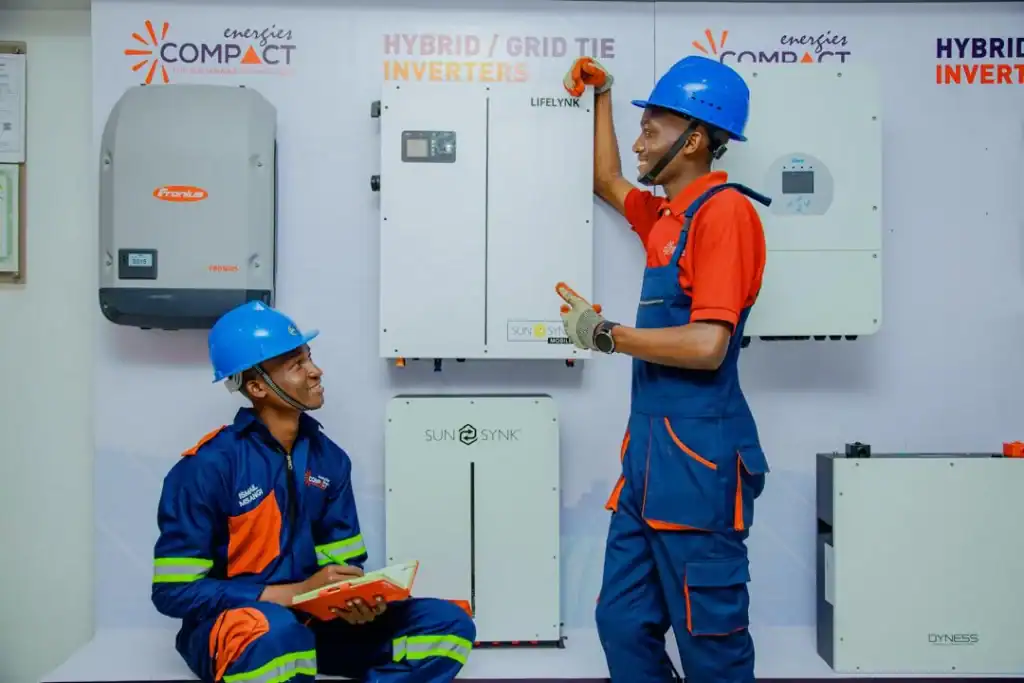
There are several types of solar inverters available, each with unique features and applications. The most common types are string inverters, microinverters, and hybrid inverters. String inverters are popular for their simplicity and cost-effectiveness, microinverters offer panel-level optimization, and hybrid inverters are ideal for systems with battery storage.
String inverters typically service all the panels in a solar array as a single unit, making them a cost-effective solution for many residential and commercial installations. However, microinverters have gained popularity due to their ability to optimize the power output of individual panels. This can be particularly beneficial in conditions where shading or panel degradation occurs, ensuring maximum efficiency. Meanwhile, hybrid inverters add a layer of versatility by integrating battery storage, crucial for off-grid applications and energy resilience in remote areas.
The choice of which type of inverter to use often depends on specific needs and installation context. For example, a hybrid inverter would be particularly useful in rural Tanzanian communities where access to consistent power supply may be limited, highlighting the versatility and importance of these systems in diverse settings.
The Role of Solar Inverters in the Tanzanian Solar Boom
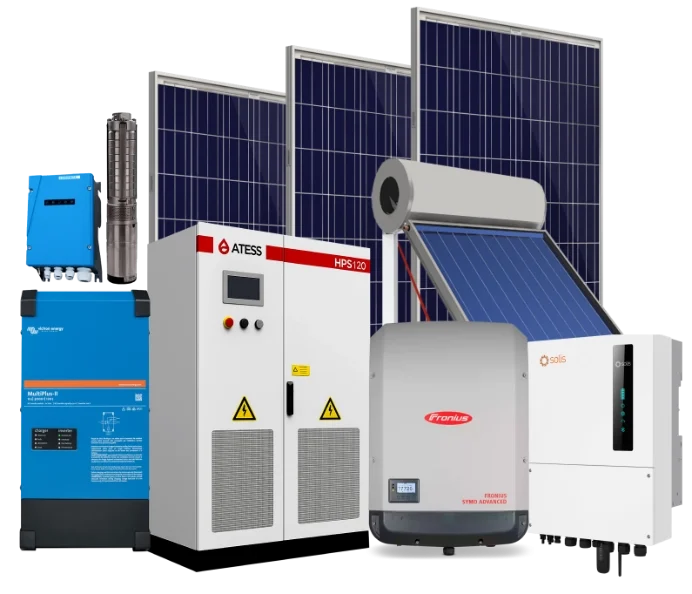
In Tanzania, solar inverters play a crucial role in transforming the increasing solar potential into reliable electricity. They are vital for connecting solar systems to the Tanzanian grid, ensuring the energy produced is efficiently utilized. As more solar projects emerge, the demand for high-quality inverters rises.
The deployment of solar inverters in Tanzania supports the nation’s commitment to expanding its renewable energy infrastructure. As the country’s energy grid continues to evolve, inverters ensure that the solar power collected from the abundant sunlight the region receives is effectively transferred to where it’s needed most. This conversion of potential solar energy into a staple of daily life showcases the technological prowess and forward-thinking potential inherent in this advancement.
As Tanzania advances its renewable energy goals, the support from local policies and international investments has amplified the solar sector’s momentum. High-quality solar inverters are increasingly seen as foundational for reliable solar energy projects, encouraging stakeholders to invest in state-of-the-art technology that supports long-term sustainability.
Challenges and Opportunities
While solar inverters offer great opportunities, they also present challenges, particularly in terms of initial cost and maintenance. However, technological advancements and government initiatives are creating pathways to address these challenges, making solar solutions more accessible and affordable for Tanzanians.
The initial investment in high-quality solar inverters can be significant, which may deter some potential users from adopting solar solutions. However, initiatives such as government subsidies and aid programs are making headway to ease these financial burdens. Additionally, the implementation of community-driven solar projects has shown to be effective in distributing both cost and benefits across a wider region.
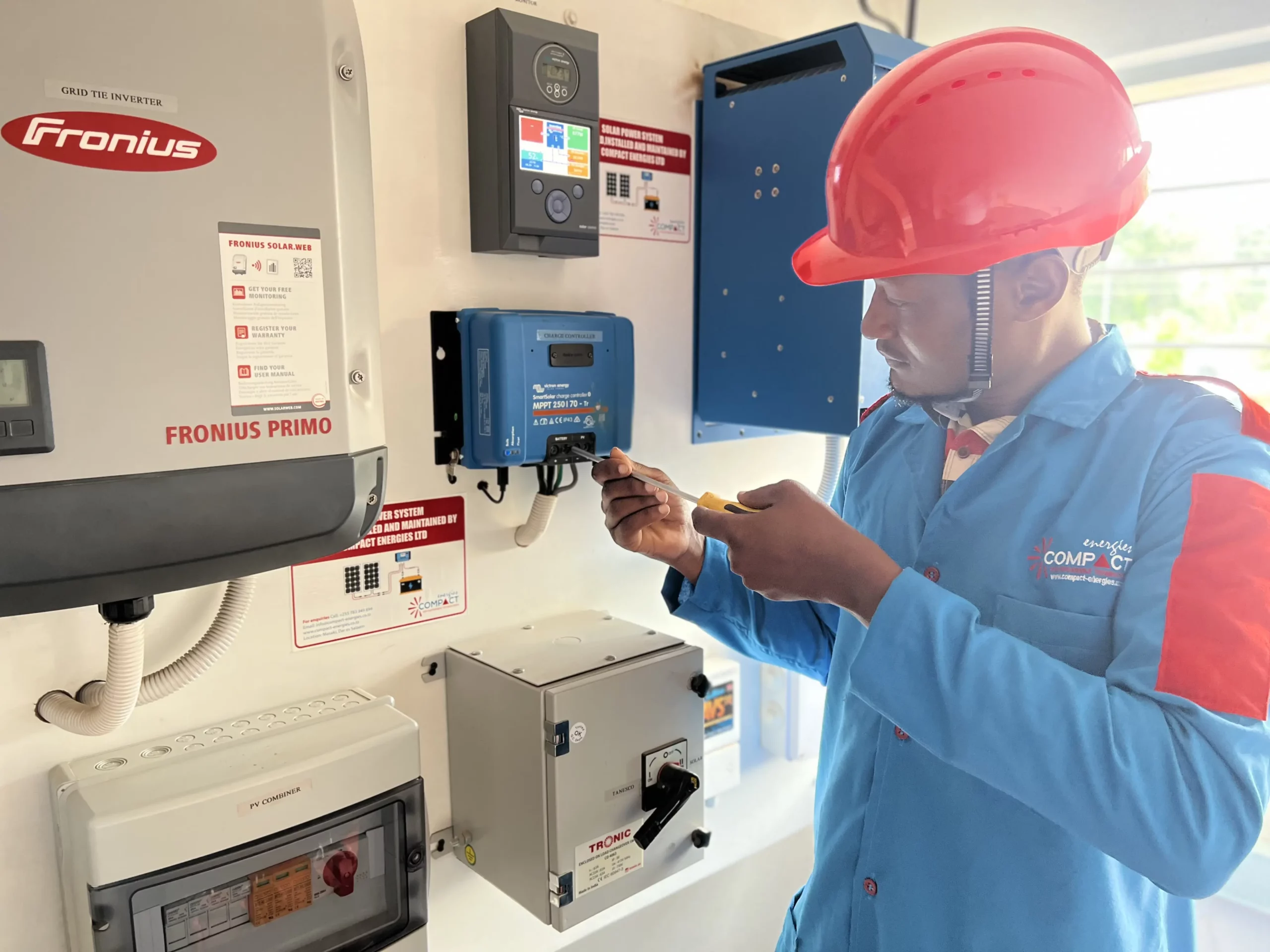
Maintenance is another challenge, as regular servicing is needed to ensure solar inverters operate at peak performance. Fortunately, advancements in smart technology have led to inverters that self-diagnose issues and allow for remote troubleshooting, significantly reducing maintenance complexities and costs.
The Future of Solar Inverters in Tanzania
The future of solar inverters in Tanzania is bright. With continual advancements in technology and growing environmental awareness, the role of inverters in sustainable energy systems is likely to expand. Continued investment and innovation in this sector will bolster Tanzania’s solar capacity, benefiting both urban and rural areas.
As Tanzanian communities become more educated about the benefits of solar power, demand for efficient solar inverters is expected to rise significantly. The integration of renewable energy systems into everyday life has the potential to transform the nation’s energy landscape, promoting energy independence and economic stability. This growing trend underscores the importance of fostering partnerships between technology providers and local communities.
In the long term, the widespread adoption of solar inverters will enhance energy access in Tanzania, reducing reliance on fossil fuels and supporting environmental conservation efforts. By harnessing Tanzania’s abundant renewable resources, solar inverters serve as a critical component in the nation’s strategy to combat climate change and promote sustainable development.
Empowering Tanzania Through Solar Inverters
Understanding how solar inverters work is crucial for grasping the full potential of solar energy. In Tanzania, these devices not only convert solar power into usable electricity but also empower communities by providing reliable and sustainable energy solutions. As the country continues to harness solar energy, solar inverters remain key to transforming vision into reality.