SW
SW  EN
EN 

In recent years, Tanzania has embraced solar energy as a sustainable and efficient alternative to traditional power sources. Solar inverters play a crucial role in this transformation, offering numerous advantages for commercial projects. In this blog post, we’ll explore how solar inverters can benefit businesses in Tanzania.
1. Boosting Energy Efficiency
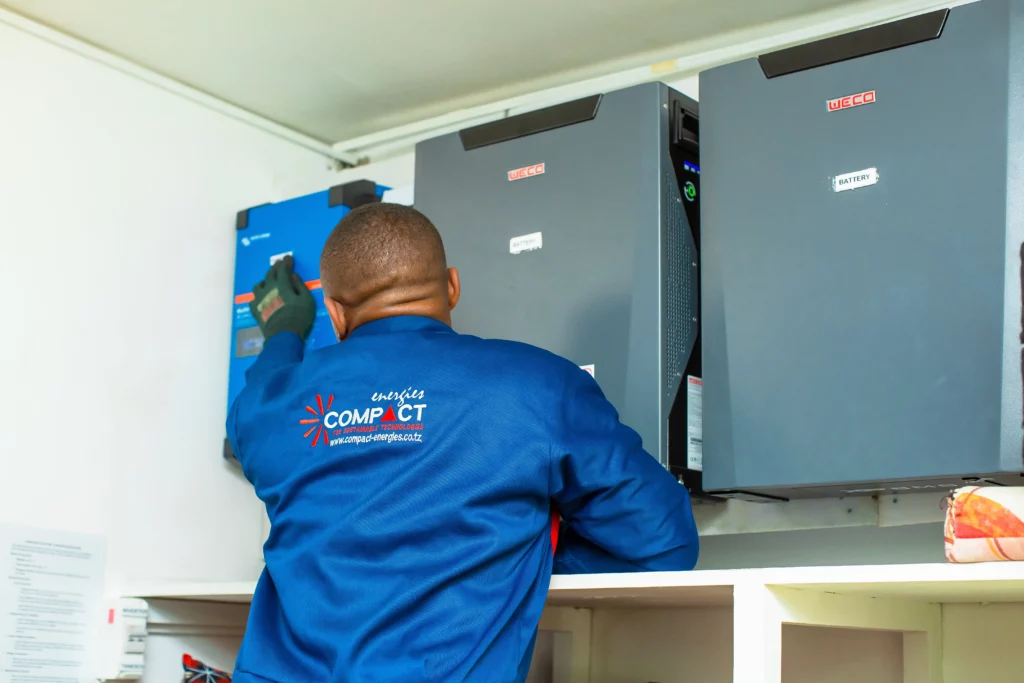
Solar inverters convert solar energy into usable electricity, optimizing the energy production process. This efficiency translates into more power with less waste, providing businesses with a reliable energy source. With advanced features like Maximum Power Point Tracking (MPPT) technology, solar inverters ensure that solar panels deliver the highest possible output by adjusting their operating voltage for optimal sunlight capture. This is particularly useful in regions like Tanzania, where weather conditions can vary. By maximizing energy conversion at every moment, businesses achieve an efficiency that directly contributes to reduced energy costs and a well-balanced electrical system.
2. Reducing Operational Costs
By utilizing solar inverters, companies can lower their electricity bills and reduce operational costs. This technology offers a cost-effective means to tap into renewable energy resources, leading to significant savings. The savings accrue over time as businesses offset the need for expensive grid power with self-generated solar electricity. Moreover, solar projects often qualify for government incentives such as VAT exemptions on solar components, making the initial investment more manageable for enterprises. As the market price of solar technology continues to decline, the return on investment becomes even more attractive for Tanzanian businesses looking to optimize their energy strategies.
3. Enhancing Energy Independence
Solar inverters empower businesses to produce their own electricity, reducing reliance on grid electricity. This independence is particularly advantageous in regions with unstable power supplies or frequent outages. In Tanzania, where grid stability can be a concern, having an autonomous energy source ensures continuous operations without disruptions. Pairing solar installations with battery storage further enhances this independence by providing backup power during grid failures. Therefore, companies are not only self-sufficient in meeting their energy demands but also equipped with a resilient energy strategy that secures their productive capacities regardless of external power supply fluctuations.
4. Supporting Environmental Initiatives
Solar inverters help businesses reduce their carbon footprint by lowering greenhouse gas emissions. This commitment to sustainability aligns with global efforts to combat climate change and promotes positive environmental impacts. In Tanzania, where national policies are increasingly shifting towards renewable resources, businesses using solar energy demonstrate leadership in environmental stewardship and corporate social responsibility. By choosing clean energy alternatives, these enterprises contribute to a significant reduction in environmental degradation and support the preservation of natural resources for future generations. This not only enhances their public image but also positions them as forward-thinking and environmentally conscious entities in their respective industries.
5. Facilitating Technological Integration
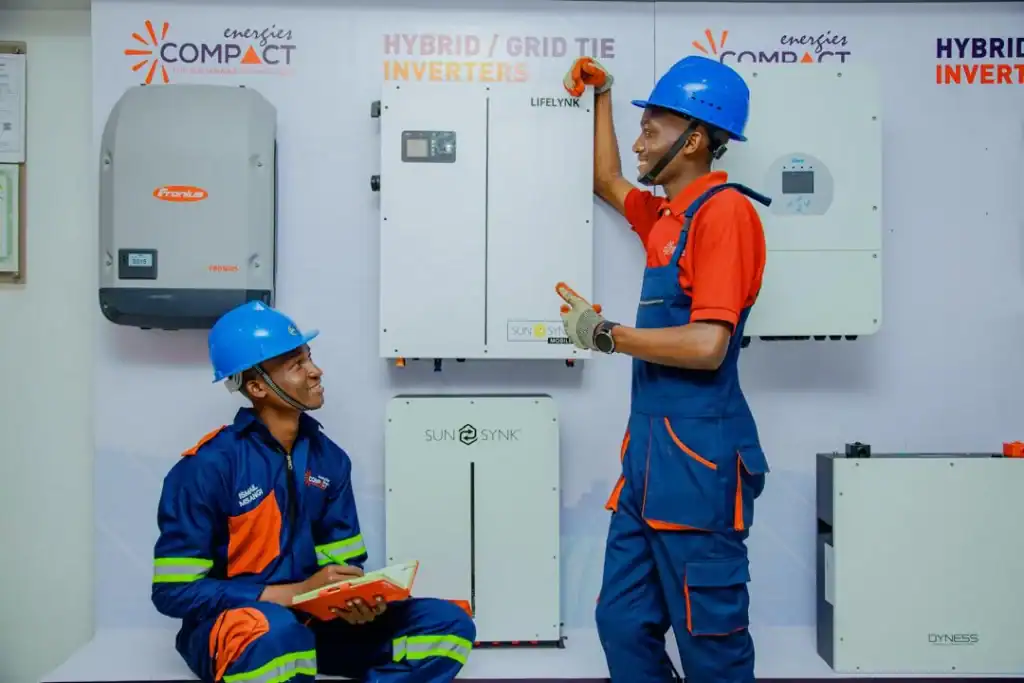
Modern solar inverters are equipped with smart technology that allows them to integrate seamlessly with existing systems. This ease of integration enhances operational control and monitoring for businesses. Technologies such as Internet of Things (IoT) connectivity offer real-time insights into energy production and consumption patterns, enabling businesses to make informed decisions regarding their energy usage. The comprehensive data provided by smart inverters can be accessed remotely, allowing for efficient management of energy systems without physical presence. This level of control and adaptability supports business continuity and optimizes energy efficiency while reducing unnecessary costs from manual monitoring or mismanagement.
6. Increasing Property Value
Installing solar inverters can increase the value of commercial properties, making them more attractive to investors and tenants. As energy-efficient properties become more desirable, businesses can capitalize on this market trend. Properties equipped with solar solutions not only promise lower utility expenses but also align themselves with an evolving market preference towards sustainable and cost-effective infrastructure. This forward-looking approach can differentiate businesses in competitive markets, enhancing their market viability and attracting environmentally conscious stakeholders. Furthermore, by investing in renewable energy systems, property owners can substantially boost their real estate portfolios and position themselves as pioneers in sustainable practices within Tanzania.
7. Enhancing System Durability
Solar inverters are designed to withstand varied environmental conditions, ensuring longevity and reliable performance. This durability means less maintenance and fewer replacements, providing long-term benefits for businesses. In Tanzanian climates, where extreme temperatures and humidity can challenge standard electrical components, solar inverters are built to operate efficiently under harsh conditions without degradation. The robust design and construction of these systems reduce the frequency of service disruptions and maintenance costs, contributing to a more stable and predictable energy supply for commercial operations. This enduring reliability is a critical factor for businesses looking to ensure uninterrupted service and optimize operational budgets.
8. Providing Flexibility and Scalability
Solar inverters offer flexibility in installation and can be scaled to meet the energy needs of various commercial projects. This adaptability ensures that businesses can expand their systems as needed without significant disruptions. By providing the ability to add more panels or expand storage systems, companies can tailor energy solutions to their growth trajectories, ensuring that energy supplies remain in sync with increased demand. This scalability not only supports business growth but also maximizes the efficiency of investments in renewable energy infrastructure. As a result, businesses maintain competitive edges while promoting an innovative approach to energy management in Tanzania’s dynamically changing marketplace.
9. Promoting Economic Growth
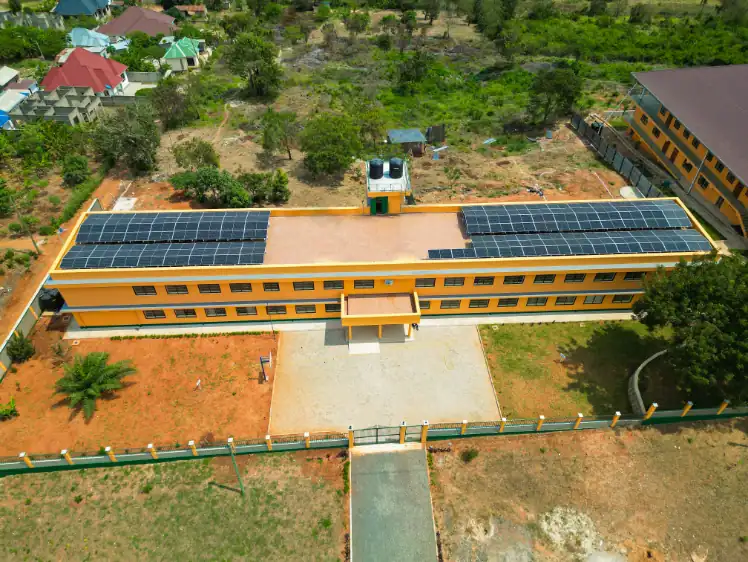
By investing in solar technology, companies contribute to local job creation and economic growth. Solar projects stimulate demand for skilled labor and encourage infrastructure development in Tanzania. The renewable energy sector offers a multitude of opportunities for employment across diverse skill levels, from installation and maintenance technicians to systems engineers and project managers. Furthermore, the growth of solar projects fosters local industries, driving advancements in supporting technologies and contributing to regional economic prosperity. By adopting solar solutions, businesses not only benefit themselves but also support the broader economic and social development initiatives of the communities in which they operate.
10. Securing Energy for the Future
As global energy demands increase, solar inverters provide a dependable solution that ensures energy security for businesses. This future-proofing enables companies to remain competitive in a rapidly evolving market. In an era where energy availability and sustainability are deeply interlinked with economic success, solar technology represents a resilient and forward-looking strategy that precludes the need for reactive responses to energy crises. By integrating renewable energy solutions, businesses play an active role in shaping a sustainable energy landscape that meets both current and future demands. This positions them as leaders in innovation and sustainability, fostering a stronger connection with stakeholders invested in long-term, environmentally responsible progress.