EN
EN  SW
SW 

Solar energy is becoming an increasingly popular choice for those looking to reduce their carbon footprint, especially in regions blessed with ample sunlight. Tanzania, with its abundant sunshine, presents a unique opportunity to harness solar energy effectively. In this blog, we’ll explore how utilizing solar energy in Tanzania can contribute to a greener planet.
Understanding Solar Energy and Its Benefits
Solar energy is a renewable power source that harnesses sunlight to generate electricity or heat. One of its key benefits is the reduction in carbon emissions compared to conventional energy sources.
Moreover, solar energy systems require minimal maintenance, making them a practical choice for both residential and commercial use. By adopting solar energy, you contribute to reducing your carbon footprint, as it emits no greenhouse gases during operation.
In addition to environmental benefits, using solar energy also promotes energy independence. By generating your own electricity, you are less reliant on the grid, and you are protected from fluctuating energy prices.
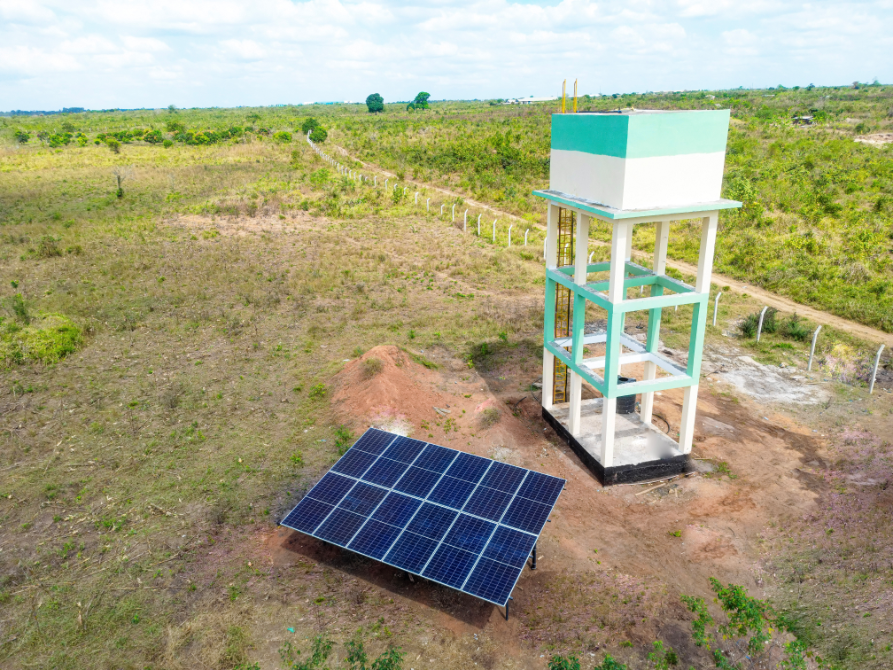
Why Tanzania is Ideal for Solar Energy
Tanzania’s geographical location near the equator provides it with high solar insolation, making it an excellent candidate for solar energy projects. This abundance of sunlight can be effectively utilized to produce clean energy.
The country enjoys sunshine throughout the year, which is a key factor in maximizing solar power generation. Given the relatively undeveloped grid infrastructure in some areas, solar energy can provide an autonomous solution for communities far from conventional power sources.
Moreover, solar energy projects in Tanzania can contribute to reducing the energy deficit, which affects many rural areas. By installing solar panels, these areas can enjoy a more stable and dependable source of electricity.
How Solar Energy Reduces Carbon Footprint
By switching to solar energy, you decrease reliance on fossil fuels, which are major contributors to greenhouse gas emissions. This transition helps in significantly lowering your carbon footprint.
Solar panels generate electricity without burning fossil fuels, subsequently preventing additional carbon dioxide from being released into the atmosphere. Over a solar panel’s lifespan, this can result in considerable emissions savings.
Additionally, by reducing dependence on fossil fuels, solar energy aids in diminishing air pollutants such as sulfur dioxide and nitrogen dioxide. Communally expanding solar energy usage will notably enhance air quality.
Economic Benefits of Solar Energy in Tanzania
Investing in solar energy not only helps the environment but also reduces your electricity bills. Over time, solar panels can lead to substantial savings and energy independence.
The reduction in energy expenses arises as you harness free sunlight for power. For businesses, this translates to lower operating costs and increased competitiveness in the market.
Furthermore, solar projects create local jobs in manufacturing, installation, and maintenance sectors. As the market for solar solutions expands, so does opportunity for economic growth and workforce development.

Steps to Adopting Solar Energy in Tanzania
To start using solar energy, evaluate your energy needs, consult with local solar energy providers, and consider potential government incentives for renewable energy projects.
Compact Energies offers some of the best solar energy systems in Tanzania, ensuring quality and efficiency tailored to your needs. They guide you through the process, from selection to installation.
Ensure your chosen system is right for your energy consumption patterns. This involves assessing the site’s sun exposure and determining the ideal panel orientation to optimize performance.
Embrace Solar Energy for a Greener Future
By embracing solar energy in Tanzania, you not only help in conserving the environment but also benefit economically through reduced energy costs. It’s a win-win situation for both the planet and your wallet. Start your journey towards sustainability and see the powerful impact solar energy can have on reducing your carbon footprint.