EN
EN  SW
SW 

In recent years, Tanzania has witnessed a significant shift towards more sustainable farming practices. One groundbreaking innovation that’s making waves is the use of solar water pumps for irrigation. This technology is not only transforming agriculture but also empowering local communities by providing a sustainable and cost-effective solution to water scarcity challenges.
Understanding the Water Scarcity Challenge in Tanzania
Tanzania, like many African countries, faces significant water scarcity issues. The reliance on traditional farming methods and erratic rainfall patterns have made sustainable farming a challenge. Understanding these challenges is the first step towards appreciating the role of solar water pumps in transforming agriculture.
Agriculture is the backbone of Tanzania’s economy but is heavily dependent on rainfall. As climatic conditions become increasingly unpredictable, farmers struggle to maintain consistent water supply for their crops. This unpredictability often leads to reduced crop yields, impacting both the economy and food security. Attempts to alleviate these issues have traditionally involved manual irrigation or reliance on costly diesel-powered pumps.

Moreover, climate change exacerbates these issues by altering rainfall patterns and intensifying droughts, making it even more critical to find sustainable solutions like solar water pumps. Overreliance on diesel not only strains financial resources but also contributes to environmental pollution. Thus, the shift towards solar technology is not just beneficial, but necessary for a sustainable future.
How Solar Water Pumps Work
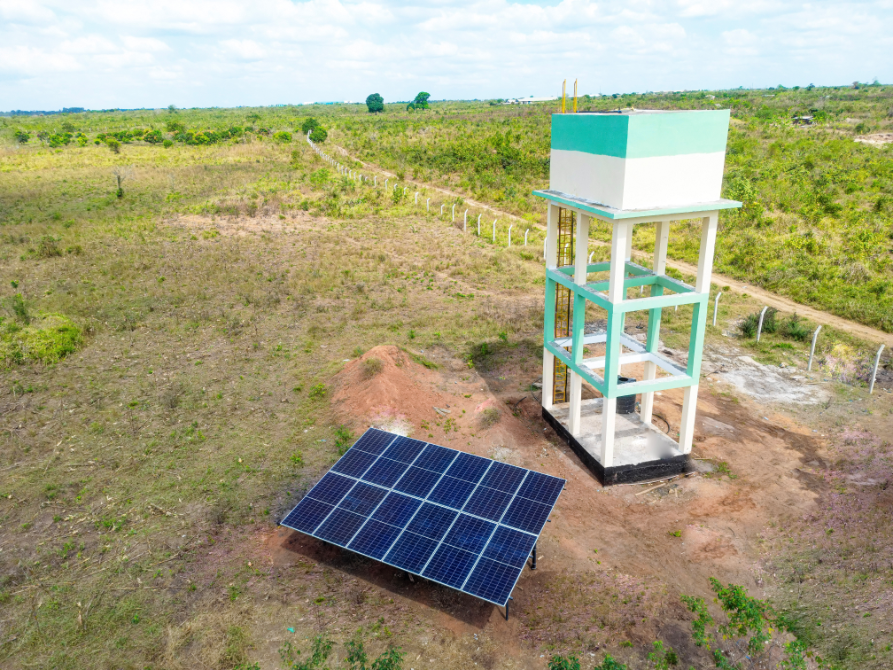
Solar water pumps harness energy from the sun to draw water from sources such as rivers, boreholes, or wells. This innovative technology converts solar energy into mechanical power needed for pumping water, making it an eco-friendly and sustainable option for irrigation.
The core component of a solar water pump system is the photovoltaic panels that capture sunlight and convert it into electricity. This electricity powers the pump, which can draw water from depths of up to 150 meters. This process is efficient even on cloudy days by utilizing stored energy. With minimal maintenance and long operational life, solar pumps provide a reliable water supply year-round.
Unlike traditional methods, these pumps don’t require fuel and can operate independently of the electrical grid. This independence is crucial for remote areas in Tanzania where access to conventional energy sources is limited. Additionally, solar pumps reduce the cost and effort associated with transporting fuel to isolated locations, providing a practical and sustainable irrigation solution.
The Economic Advantages of Solar-Powered Irrigation
Beyond environmental benefits, solar water pumps offer significant economic advantages. They can reduce energy costs for farmers, minimize dependence on expensive diesel generators, and provide a consistent water supply, leading to better crop yields and increased income.
Farmers using solar water pumps report not only enhanced productivity but also a significant increase in profit margins. Unlike diesel pumps, which incur ongoing fuel expenses, solar pumps capitalize on free, plentiful sunlight. This reduction in operational costs allows farmers to reinvest in their land and crops, further boosting their productivity.
Moreover, the use of solar-powered irrigation systems can attract investment opportunities from private and governmental sectors aimed at expanding renewable technology across the region. By investing in solar infrastructure, local communities stand to gain long-term economic benefits, fostering a cycle of sustainable development and growth.
Empowering Local Communities
The introduction of solar water pumps is not just about technology; it’s about empowering communities. With more reliable water access, local farmers can expand their activities, reduce rural poverty, and enhance food security. This empowerment also has ripple effects on community development and education.
In regions where traditional farming methods have long dictated societal structure, the influx of technology represents an opportunity to create new employment and educational prospects. As solar pumps reduce the need for labor-intensive water fetching, family members can pursue other economic or educational endeavors, thus uplifting community standards.
Women, often responsible for water collection, are particularly empowered by these technologies. With reduced labor demands, they can focus on other income-generating activities or pursue further education. The use of solar technology fosters a sense of community autonomy and resilience, positioning these regions on the path to self-sustained growth rather than dependency on external aid.
Challenges and Future Prospects
While the benefits are clear, there are challenges to adopting solar water pump technology. Initial investment costs and lack of technical expertise can be hurdles. However, with governmental support and partnerships with NGOs, these challenges can be overcome, offering great prospects for future expansion.
The upfront cost of installing a solar water pump can be prohibitive for many farmers. Financing solutions, such as micro-lending and cooperative funding, are crucial to mitigate this barrier. Also, providing adequate training and support ensures that communities can independently maintain and utilize these systems effectively.
Efforts from international and local NGOs play a significant role here. Programs focused on training farmers in technical skills and sustainable practices help ensure that solar water pump adoption is not just deployed but maintained successfully. With sustained effort and commitment, the future of solar-powered irrigation in Tanzania looks promising, driving the move to green, sustainable agriculture forward.
A Brighter Future for Tanzanian Agriculture
The adoption of solar water pumps for irrigation in Tanzania illustrates a promising future for sustainable agriculture. By leveraging renewable energy, farmers can maintain consistent water supply, improve crop yields, and contribute to environmental conservation. This innovative approach is setting the stage for a more resilient and economically viable agricultural sector, paving the way for a brighter, greener future.